
Civic lotteries
Bringing everyday people together to shape public decisions and address complex challenges.
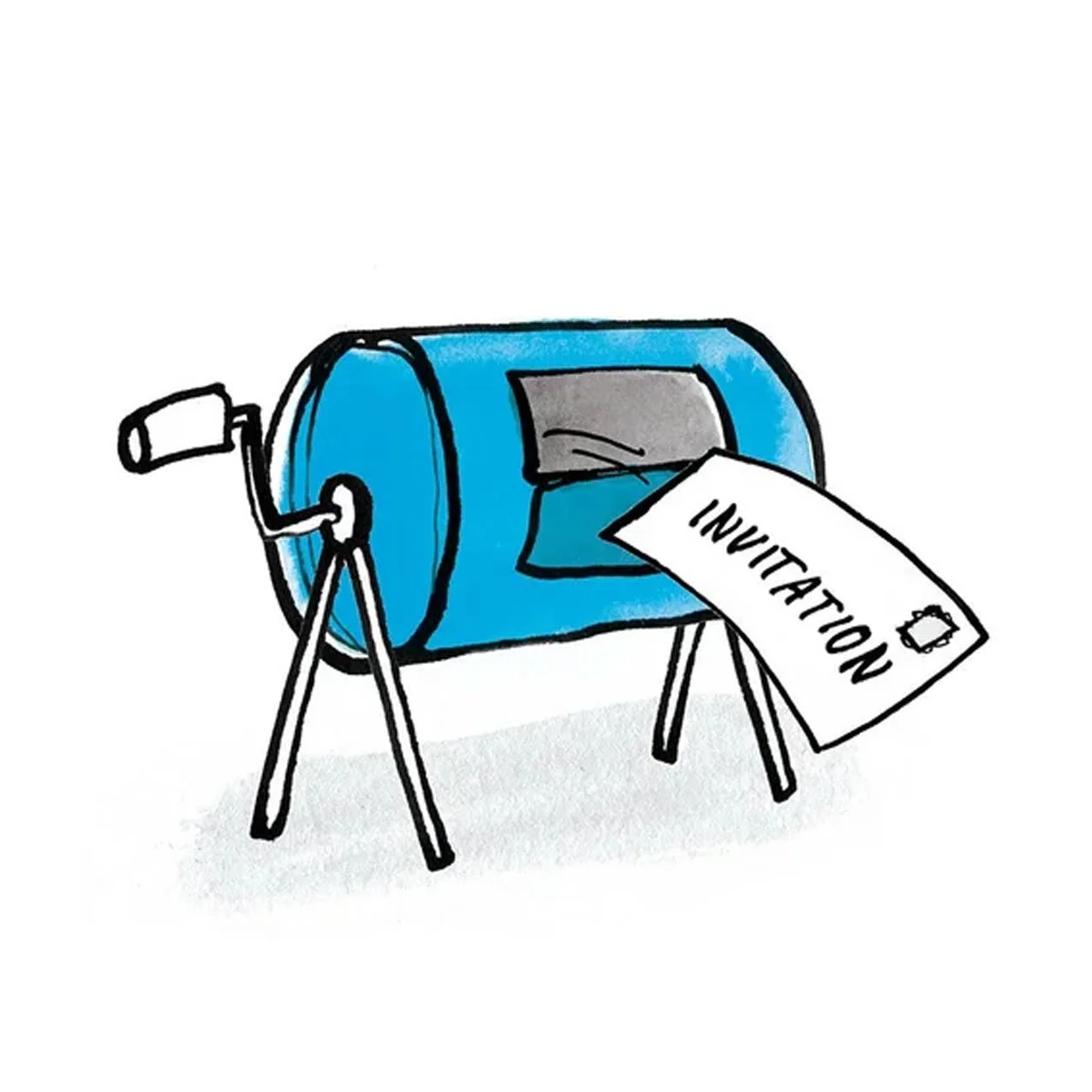
Civic lotteries bring randomly selected citizens together to help governments address complex public policy challenges. By inviting people from across a community to participate, they create opportunities for a broader range of voices and perspectives to inform public decisions. The result is a more representative approach to public participation, giving everyday people a meaningful role in shaping the policies and decisions that affect their lives.
How civic lotteries work
Based on an ancient practice called sortition, civic lotteries use random selection to bring together broadly representative groups of people. The same principle is used to select citizens for civil, criminal and coroner’s juries.
Unlike jury duty, participation in civic lotteries is voluntary. Randomly selected households receive invitations to participate, and those interested can opt in.
A second random selection then takes place, choosing participants from the pool of volunteers to broadly reflect the demographic makeup of their community.
Bringing more voices into government
MASS has pioneered the use of civic lotteries to address public policy challenges across Canada.
To date, we've sent more than 350,000 invitations to 1 in 38 households across the country, creating opportunities for more than 1,300 Canadians to participate in the work of government and serve their communities.